Kudzu is an invasive species. Harvest responsibly, identify carefully, and verify local
regulations before gathering.
Turn vines into woven objects
Three years ago I made rope that fell apart in my hands. Now I produce cordage stronger than hardware store twine, paper with visible fiber character, and wall hangings that galleries request by name. The difference was not talent. It was simply trying again with slightly better information.
Start making
12N
What kudzu fiber becomes

Natural cordage and rope
Twisted kudzu bast produces durable cordage for garden ties, decorative
knotwork, and functional bindings. The fiber's natural grip holds knots
securely without synthetic slip.
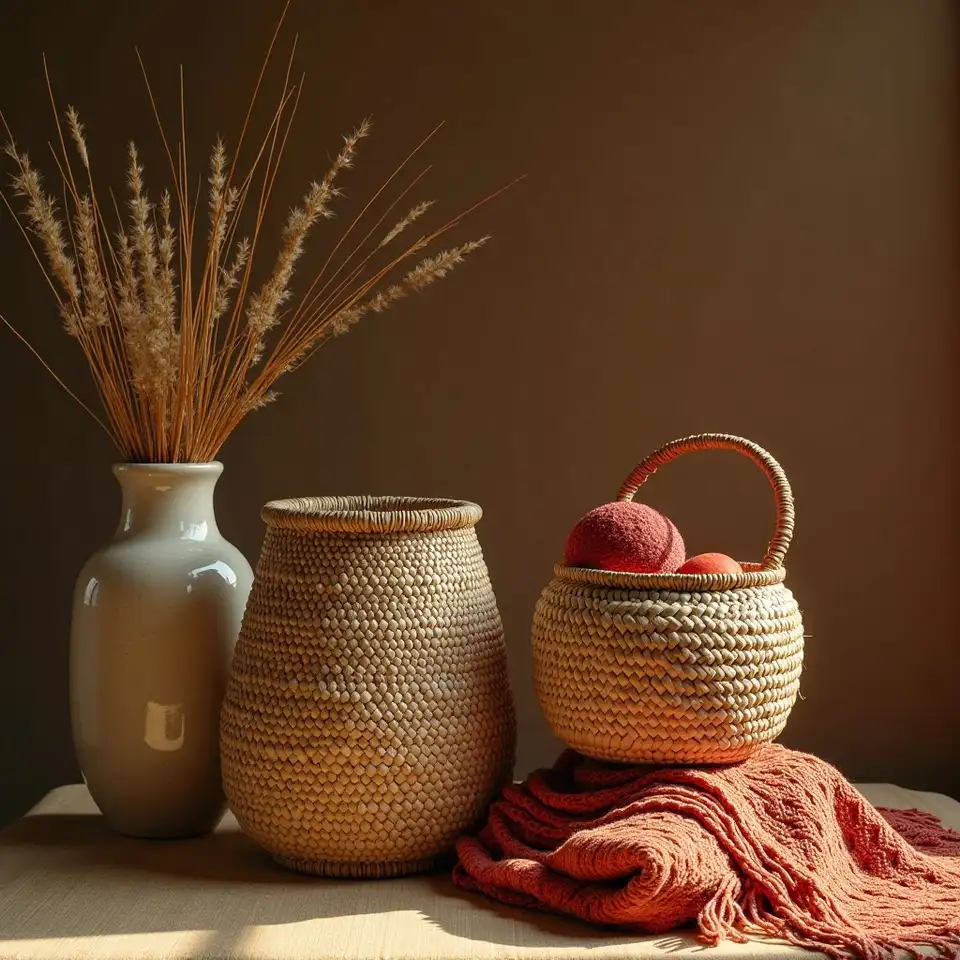
Woven baskets and containers
Soaked and split kudzu vines weave into rigid baskets with a warm, matte finish. The material accepts dye poorly, which becomes a feature rather than a limitation.

Handmade paper and cards
Beaten kudzu pulp produces sheets with pronounced fiber texture and natural cream tones. The paper ages to a soft ivory that commercial stocks rarely replicate.
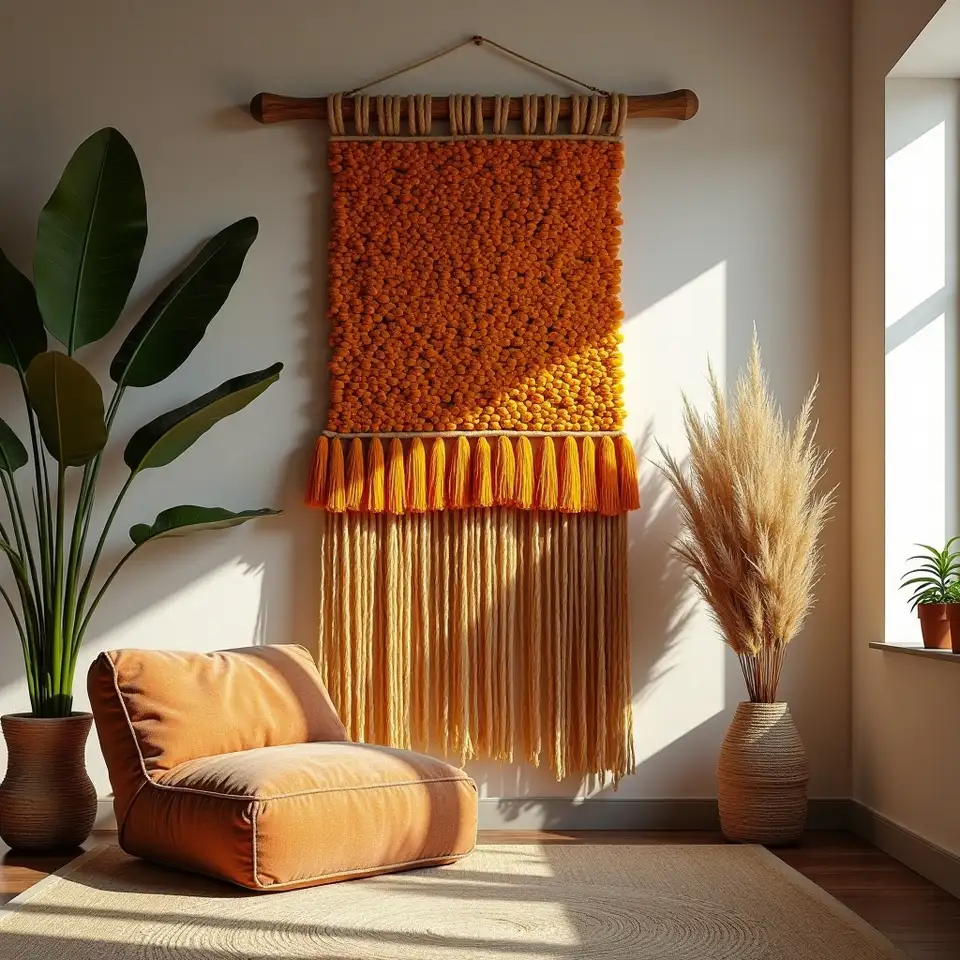
Textile wall hangings
Long kudzu fibers tapestried on simple looms create wall pieces with dimensional
surface texture. Each harvest batch produces slightly different colour and
thickness variation.

Decorative wrapped objects
Stone cores wrapped in kudzu twine become paperweights, meditation objects, or garden ornaments. The technique requires minimal skill and produces immediate satisfaction.

Bound journals and covers
Kudzu fiber sheets laminated onto board create distinctive book covers. The
material's irregular surface catches light and invites touch in ways
manufactured materials cannot.
Projects for every skill level
Not every kudzu project demands months of practice. Some reward beginners immediately. Others develop over seasons as your fiber quality improves. The progression below matches common starting points to realistic outcomes based on where you are now.
-
01
First week projects
Begin with simple cordage twisted between your palms, or wrap smooth stones with kudzu twine. These teach you how the fiber behaves under tension without requiring tools beyond scissors and patience.
-
02
First month projects
Move to small woven baskets using split vine weavers and kudzu fiber warp. The irregularity of hand-processed material becomes a design feature rather than a flaw you must correct.
-
03
First season projects
Produce sheets of handmade paper from beaten kudzu pulp, or weave a small wall hanging on a simple frame loom. By now your harvesting timing and retting judgment have improved measurably.
-
04
First year projects
Create larger tapestries, develop consistent paper batches, or design functional objects like lampshades or bags. Your accumulated harvest records begin predicting which vines produce your preferred fiber character.
-
05
Ongoing exploration
Experiment with blending kudzu with other natural fibers, developing site-specific harvest calendars, or documenting your own techniques for the community knowledge base.
Community creations
Finished work from harvesters across climates and experience levels, showing what patience and roadside vines can become.



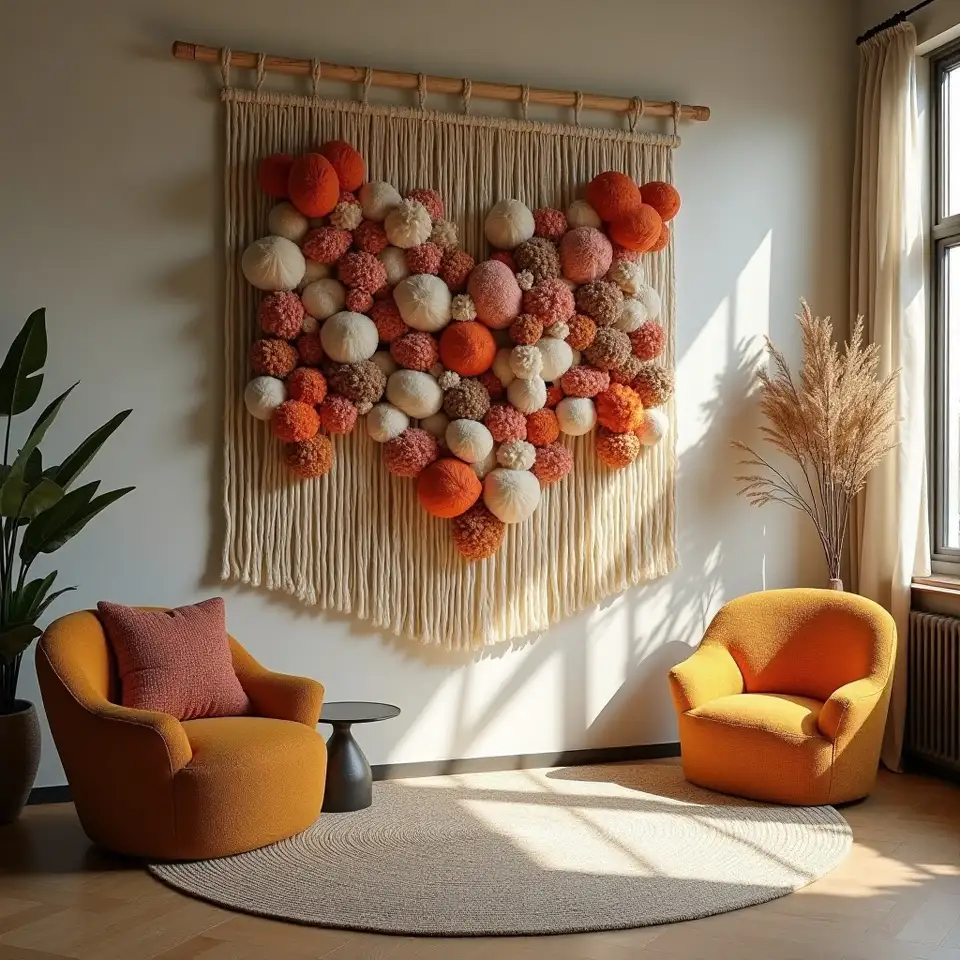


Share what you made from vines
The community grows stronger when harvesters document their results. Your first uneven cordage or brittle paper sheet teaches someone else what to expect. Your refined technique after a full season shows them what persistence produces. Upload images, describe your process, and add your voice to the growing record of what kudzu fiber can become.
Submit your project
Every submission enters the community archive, whether published immediately or held for seasonal roundups. Your documentation helps the next harvester start with better expectations than you had.