Kudzu is an invasive species. Harvest responsibly, identify carefully, and verify local
regulations before gathering.
Our story so far
Three years ago, this looked like a joke
I told friends I was making rope from roadside vines. They nodded politely. Now those
same people ask me to teach their fiber arts clubs how to harvest kudzu.
What changed was not the vine. It was the realization that an overgrown problem could
become a usable, beautiful material — and that anyone with patience and a pair of gloves
could do it.
- No special equipment needed to begin
- Fibers improve with practice, not expense
- Community knowledge grows faster alone
Fiber yield
8.2 m
Average usable fiber length from a single mature kudzu vine harvested in peak season
Active
Growing fast
Why we believe in humble materials
The best craft traditions do not demand rare imports or expensive tools. They reward
attention, repetition, and respect for what is already growing outside your door.
01
Start with what surrounds you
Kudzu is not exotic. In many regions it is the plant everyone else is trying to
kill. We begin there — with abundance that costs nothing to gather and transforms
under your hands into something strong and useful.
02
Preserve what hands remember
Fiber extraction is older than industrial spinning. Our methods draw on traditional
retting, stripping, and twisting techniques that have survived because they work
without factories or fossil fuels.
Leave the ground better
Harvesting kudzu responsibly can reduce invasive spread in targeted areas. We
document where and how to gather vines so that the act of making something also
contributes to local ecological balance.
04
Share the trial and error
Every harvest teaches something. We publish what fails as openly as what succeeds, because the fastest way to improve a craft is to stop repeating each other's mistakes in private.
How kudzu fiber harvesting found its people
A few scattered experiments became a quiet movement once makers started comparing notes
online. Here is how that happened, and what it means for anyone curious about vine-based
fiber.

The vine nobody wanted
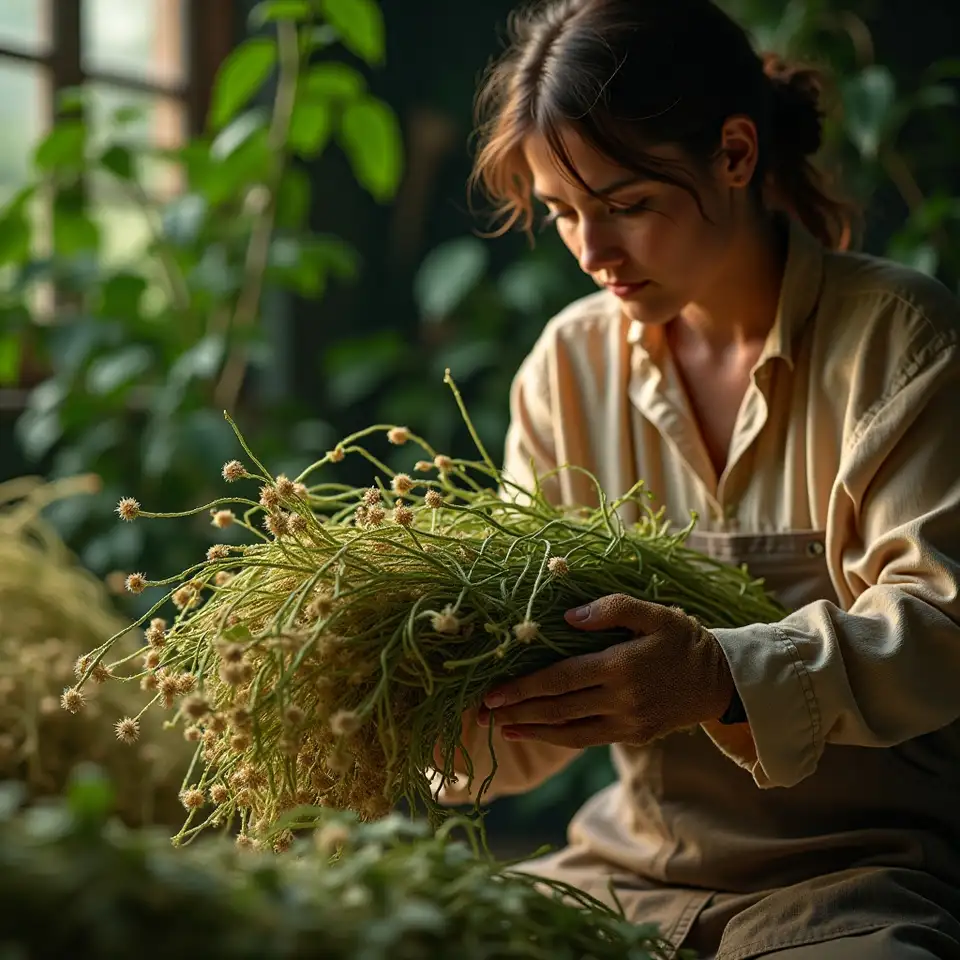
For decades, kudzu was a punchline about unchecked growth. A small group of fiber artists began asking a different question: if it grows this fast, what can it become? That shift in framing turned a nuisance into a raw material worth understanding.
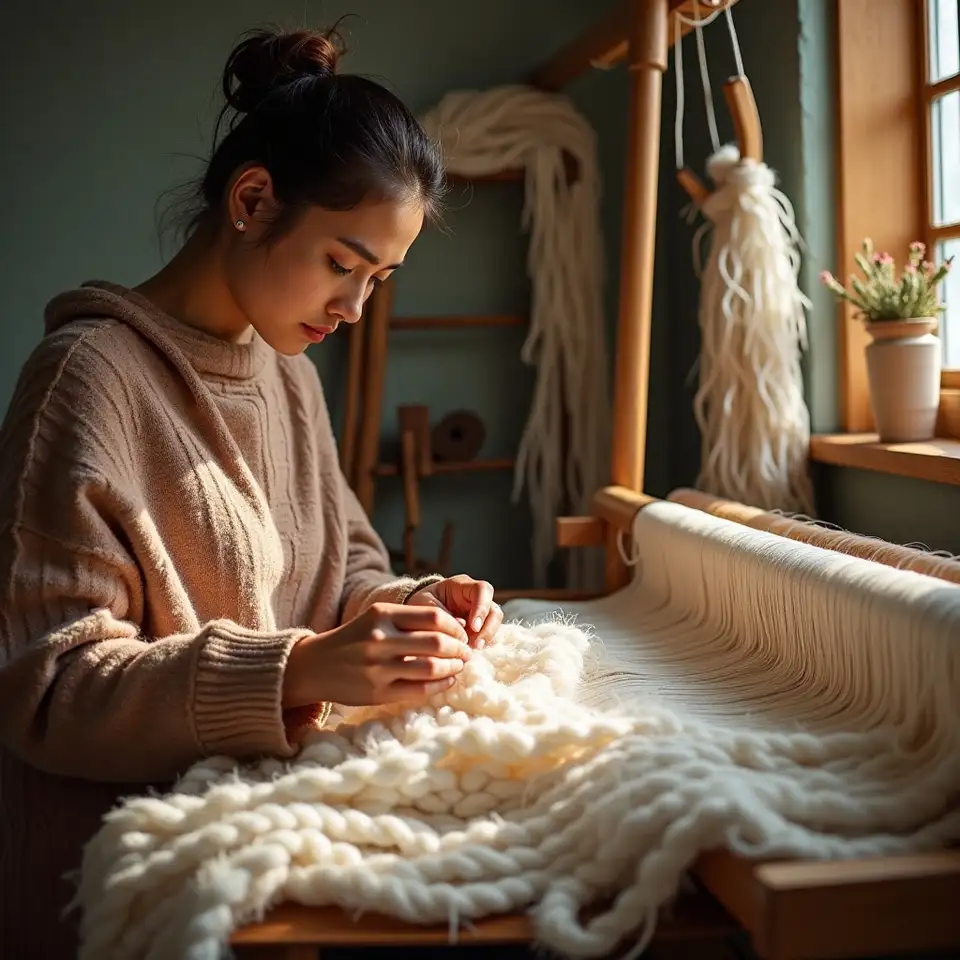
From vine to workable thread
Early attempts produced brittle, uneven strands. Through shared experimentation with retting times and stripping techniques, makers developed reliable methods for producing smooth, flexible fiber strong enough for weaving and cordage.
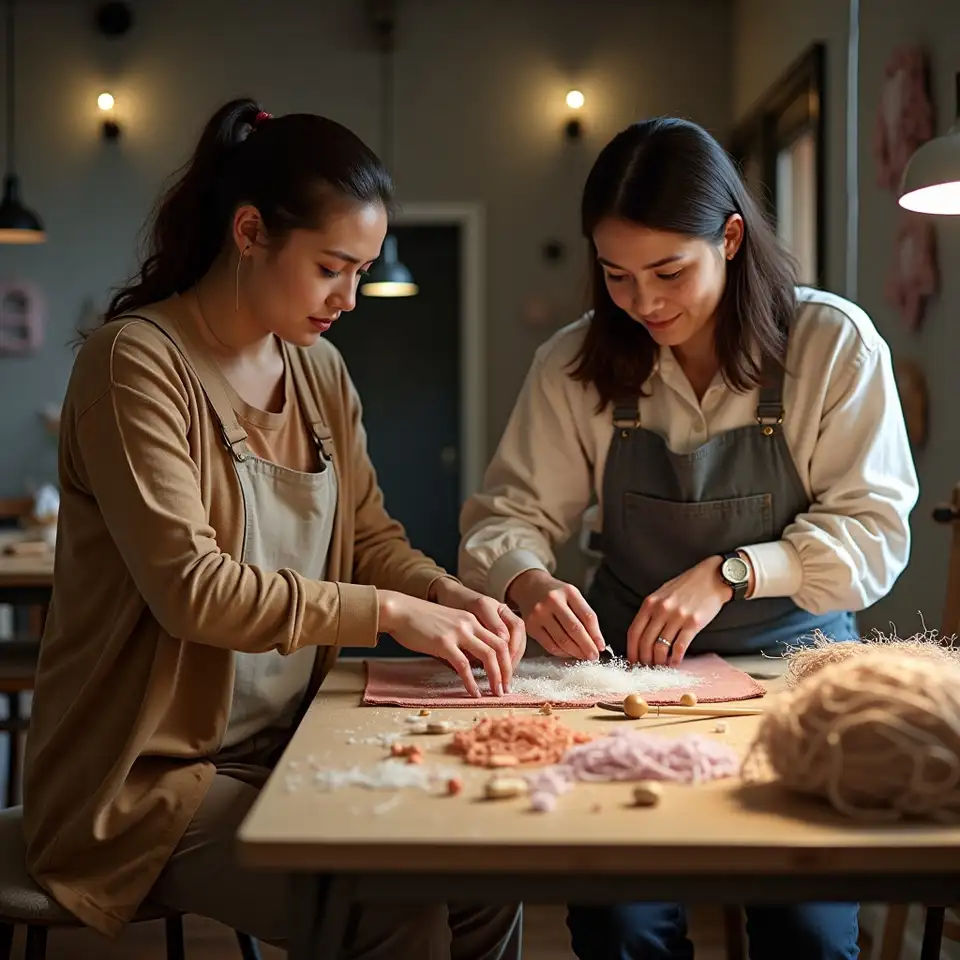
A network of patient makers
What began as isolated curiosity became a community of practice. Regional groups now exchange harvest calendars, compare fiber quality across climates, and document their results so newcomers can start with better information than the first generation had.
What guides the work
These principles shape how we harvest, teach, and grow together as a community of
makers.
-
Sustainability
We harvest vines in ways that reduce invasive spread rather than encouraging it. Our documentation emphasizes seasonal timing, selective cutting, and landowner communication as part of responsible practice. -
Heritage
Traditional fiber arts carry knowledge accumulated across generations. We respect those roots by learning from historical retting and spinning methods before adapting them to kudzu's specific properties. -
Openness
Every technique, failure, and improvement is shared without paywalls or gatekeeping. The community advances faster when information moves freely between beginners and experienced harvesters.
-
Accessibility
Kudzu fiber requires no expensive machinery or imported supplies. We design our guidance so that anyone with basic tools, outdoor access, and patience can produce usable material.
-
Curiosity
We treat each harvest as an experiment. Variables like soil, rainfall, and vine age all affect fiber quality, and we encourage makers to document their own results rather than following rigid formulas. -
Stewardship
The same plant that provides fiber can damage native ecosystems if left unmanaged. We teach harvesters to see themselves as participants in local land care, not just consumers of free material.
Harvest. Soak. Strip. Twist. Weave. Repeat. Harvest. Soak. Strip. Twist. Weave.
Repeat.
Harvest. Soak. Strip. Twist. Weave. Repeat. Harvest. Soak. Strip. Twist. Weave.
Repeat.
Harvest. Soak. Strip. Twist. Weave. Repeat. Harvest. Soak. Strip. Twist. Weave.
Repeat.
Harvest. Soak. Strip. Twist. Weave. Repeat. Harvest. Soak. Strip. Twist. Weave.
Repeat.
Harvest. Soak. Strip. Twist. Weave. Repeat. Harvest. Soak. Strip. Twist. Weave.
Repeat.
Harvest. Soak. Strip. Twist. Weave. Repeat. Harvest. Soak. Strip. Twist. Weave.
Repeat.
Margaret Chen-Whitmore
Founding harvester and documentation lead
Margaret began experimenting with kudzu fiber after noticing the vine's structural similarity to traditional bast fibers used in East Asian papermaking. She now maintains the seasonal harvest calendar and tests retting methods across different soil types.
Core specializations
James Oduya
Toolmaker and process designer
James designs simple, effective tools for stripping and processing kudzu vines at small scale. His background in agricultural repair informs a practical approach that favors locally available materials over specialized imports.
Core specializations
Sofia Reyes-Bauer
Weaver and product tester
Sofia tests finished kudzu fiber across weaving, cordage, and papermaking applications. Her feedback loop between raw material and final product helps harvesters understand which vine characteristics produce the best results for each use.
Core specializations
David Park
Field coordinator and land liaison
David connects harvesters with landowners who need kudzu managed responsibly. He develops site-specific harvest plans that balance fiber quality with ecological goals, ensuring that gathering supports rather than disrupts local environments.
Core specializations
Aisha Nkosi
Community manager and knowledge curator
Aisha organizes the shared knowledge base, moderates discussion spaces, and helps newcomers find relevant guidance based on their climate, experience level, and interests. She ensures that accumulated community wisdom remains searchable and accessible.
Core specializations